No doubt if you have been around social media any length of time you have seen posts, blogs and articles about the church “looking like the world”. This is typically in response to colored lights, video walls and an emphasis on creative graphics, photography and video, but here is the case for creativity in the church.
“Get those smoke machines out of the church”
“Turn the lights up”
“Turn the music down”
“Your just attracting people with entertainment”
And my favorite “That money could have gone to feeding starving children”.
Before you rush to leave me a comment about how wrong I am and tell me I have compromised or “gone charismatic” read the full article.

It doesn’t have to be either or
We live in a polarizing time where everyone picks a side and takes it to the extreme. Everything has to be either or. If you are doing one thing it must mean that you are totally neglecting the other thing. Let’s take a look at the argument of “that money could have gone to help someone.”
That argument does have some merit because we are instructed in the bible to take care of those less fortunate and you know as well as I that there is a new report almost everyday of some mega-church pastor fleecing the flock and mishandling church funds. But, the vast majority of churches are spending money to help those less fortunate, to spread the gospel locally and abroad, and to support their communities. Don’t assume that because they bought some new A/V equipment or remodeled the sanctuary that they are neglecting their Christian duty.
The other side of this is that many people not directly involved in a local church have a vast misunderstanding of how church finances work. As a nonprofit organization, churches are held to strict financial regulations and are required to disclose much of their finances to the congregation so if they are doing things right, any type of fraud would be detected. Second, this means the saints donating money have a right to question where the money is being used and third if someone designates and offering to say the building program or media ministry, that money HAS to be used for that. Just like if someone gave a large sum of money to the food pantry ministry, that money could not be used for other things.
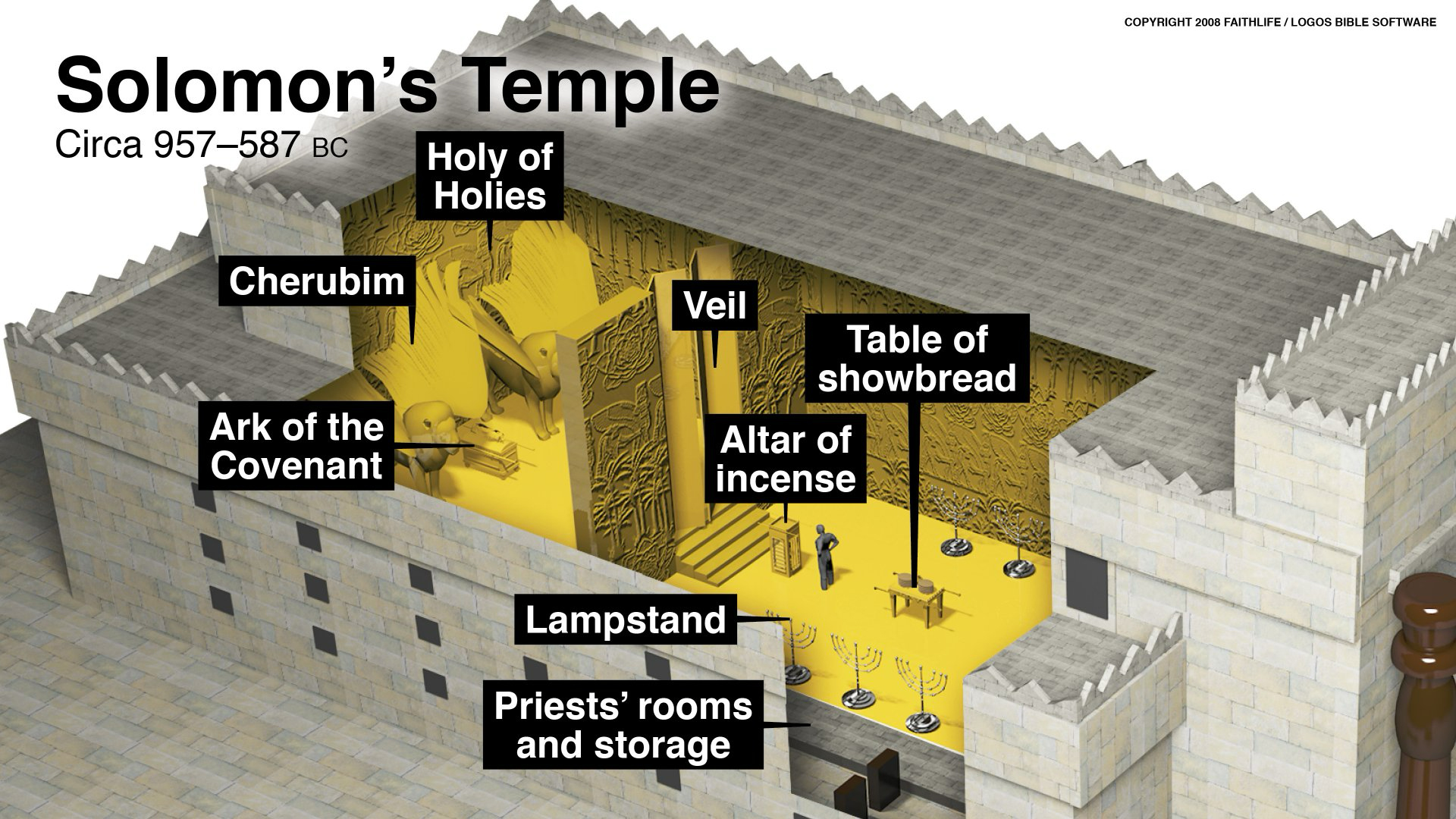
But besides all of that, why can churches not have nice things? Where is that in the Bible? Go study the tabernacles and synagogues. They were very ornate, they gave God their best. Why should the modern church be any different. As long as they are fulfilling their missional duties, having a nice audio system and a beautiful building is ok.
Instead of criticizing the latest purchase, how about getting involved and finding out the whole story first.
Does fraud exist in the church? Absolutely. Do churches misspend and mishandle money? Absolutely. Are these churches in the minority? Absolutely. You will find the vast majority of churches are led by good moral people that are good stewards of the blessings from God.
Creativity in the church: Created to create
Now that I got that rant out of the way, I want to move into the main part of why I wrote this. Let’s address the colored lights, smoke machines, and general creativity that so many people seem to be against.
99% of the arguments can be consolidated down into one main argument of “all that stuff isn’t really necessary”.
Well, they are not wrong. LED lights are NOT necessary. Screens and projectors are not necessary… but neither is a good PA system, or a gigantic ornate pulpit that looks like it belongs in the Vatican. While we are talking about unnecessary things in the church, let’s get rid of the A/C and electricity. Might as well just get rid of the building altogether, after all that mortgage payment could go to feed the orphans.
When you get down to it, we DON’T NEED ANY of that stuff to spread the Gospel, but it sure does help and if you have ever experienced an Alabama summer you will understand that A/C is a necessity in this part of the country.
But I digress.
Don’t take my word for it, let’s go to the Word of God.
Exodus 35:31 ESV
and he has filled him with the Spirit of God, with skill, with intelligence, with knowledge, and with all craftsmanship,
The Bible first brings up art in Exodus 31, where God gives Moses instructions for a tent to hold the ark of the covenant. He points out a few talented makers He’s picked to add “artistic designs” and make the tent beautiful. God says, “In the hearts of all who are skillful I have put skill.” This shows us two things about how God sees art: He enjoys it, and He’s the one who gives it. He loves it when people create something lovely, and the talent they use comes straight from Him.
Or how about going and reading the descriptions of the temple Solomon built.
The temples were ornate, filled with gold and wood sculpted by craftsmen. They used the finest lines and materials. Detailed carvings were plenty.
All throughout the history of The Church, Christianity has been a leader in art and creation. Look at how much historic art is religious.
We were created by the ultimate creator with something inside of us that desires to make and to build things.
If you have never read the book Art and Faith by Makoto Fujimura, I would encourage you to put it on your reading list.
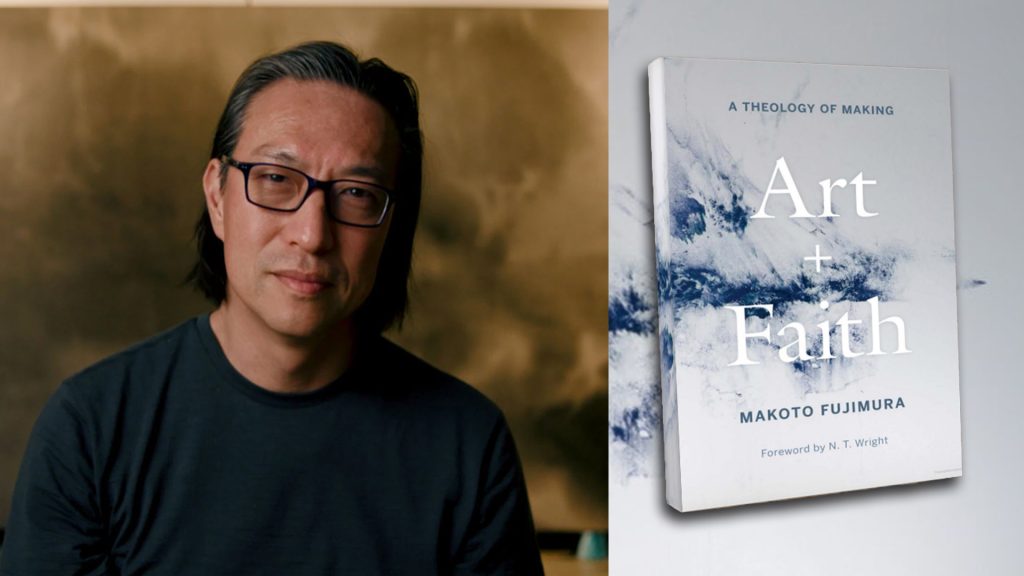
Here are a few quotes from the book.
“Some things, of course, are best conveyed in a three-point sermon. But we would lose a great deal if we heard the Good News delivered only as linear, propositional information, for the gospel is a song. I learned from theologian N. T. Wright to regard the very form of hymns and poetry as central to the gospel message.”
― Makoto Fujimura, Art and Faith: A Theology of Making
“Perhaps, I ask as an artist, being an artist is not an anomaly to faith, but is central to faith and to the place of the church in the world; and in order to understand the fullness of the grace of God, we all must think, act, and make like an artist.”
― Makoto Fujimura, Art and Faith: A Theology of Making
But this is talking about “art”, not LED lights and sermon graphics.
A lot of what you see in modern churches is art. Yes it may be digital, yes it may be electronic but someone somewhere is using their God-given talents and abilities to serve and create and THAT should be what we judge.
Are we using these things as entertainment or are we using them as a way to glorify God?
Intent is everything.
We can’t all be teachers and preachers, musicians and singers, painters and songwriters, but does that mean the creative gift of graphic design is any less important? Is the skill of taking photographs to capture the spirit of God in action during a service not important because it doesn’t fit our definition of worship?
You don’t need to create something like the Sistine Chapel or The Pilgrim’s Progress for your work to matter. When we make art that honors God, the aim is simply to lift hearts toward Him and reveal fresh reasons to praise Him. Beauty comes from God.
God’s glory can shine through endless creative forms. Even the pain and brokenness around us can inspire artists to rise above the mess and craft beauty that points back to Him. Artists hold a special place in God’s kingdom. If you feel God has placed something in your heart to make, you’re an artist—so go ahead and share that beauty, whatever it looks like!
Ill defend creativity in the church until my dying breath because I have personally been a part of these teams and let me tell you, church designer are praying before ever opening photoshop just like a preacher prays before opening his word processor. Church photo and video teams are praying before a service just like the worship team praying before leading the congregation in song. I’ve seen tears streaming down the face of a sound man and seen the person putting up lyrics shouting and dancing with the congregation. So before you ask if that graphic was really that important, remember somewhere there was a person that prayed before creating that God would speak to them and a message would be communicated.
“God the Artist communicates to us first, before God the lecturer.”
― Makoto Fujimura, Art and Faith: A Theology of Making
There are countless ways artists can show God’s beauty. With the creativity and talent God has given them, they can make art that lifts us above the world’s mess and challenges. Whether they use paint, pencils, fabric, stone, metal, theater, music, or something else, artists share a wonderful purpose and are a cherished part of God’s family.
The church isn’t trying to look like the world, the world is trying to look like the church
Let’s flip the nightclub argument around for a second, why do we always assume that change is brought about in the church because the church is trying to be like the world?
I roll my eyes every time I see that meme of two concert-looking photos and it says something like which one is the church and which one is a rock concert. Maybe neither photo is a church, maybe photos are churches…the point is who cares.
Is a church somehow less holy if it has LED lights?

Too many times we let our personal tastes and preferences get in the way. Just because you don’t like it does not make it wrong. I’ve seen people saved in traditional-looking churches, modern churches, stadiums and even a rock concert. The Holy Spirit is not dependent on location and definitely not limited or amplified by the decor of your church.
But to my point, not every modern thing in a church is because it is being influenced by the world.
In fact, I was watching a reel not too long ago with two very non-Christian designers and they were going on and on about the creativity in churches and religious institutions. They were providing examples where secular brands and secular artists have actually been influenced by art from Christians. Think about that for a second, what if the creativity you see at a concert or the designs you see in a fashion brand were actually because deep down inside, creativity was put there by God and regardless of if the artist realizes it or not they are being influenced by God.
Let’s think together about what beauty means in art—especially how it can honor God. When art is made to lead people astray—like stirring up lust, anger, or greed—it doesn’t really count as beautiful because it doesn’t come from God. The same goes for pieces meant to shock or celebrate wrongdoing; they might still be art, but they aren’t the kind rooted in God. Art that does glorify God follows the pattern we see in Exodus 31: it’s creative and done with care and skill. An artist can say with joy, “God placed this in my heart to create.”
This means colored lights and even a fog machine are not inherently spiritual or secular. It is neither right nor wrong unless we know the intent behind it. If it is used as an entertainment device to hopefully bring people in, then that’s the wrong reason. But what if it was because a creative person somewhere designed the lights, haze and screens in a way pleasing to the eye in the same way an artist uses a brush and canvas…to glorify God and use their talents to show it.
“In my experience, when we surrender all to the greatest Artist, that Artist fills us with the Spirit and makes us even more. creative and aware of the greater reality all about us. By “giving up” our “art,” we are, paradoxically, made into true artists of the Kingdom. This is the paradox Blake was addressing. Unless we become makers in the image of the Maker, we labor in vain. Whether we are plumbers, garbage collectors, taxi drivers, or CEOs, we are called by the Great Artist to co-create. The Artist calls us little-‘a’ artists to co-create, to share in the “heavenly breaking in” to the broken earth.”
― Makoto Fujimura, Art and Faith: A Theology of Making
This article may not change your mind and that is ok. I’m not out to prove a point or say I am right and everyone else is wrong. All I want to offer is a different perspective from someone that even though I preach, teach and play music, has not always felt I can convey what God has put into me using those mediums.
All I ask is that you give creativity a chance. It may not seem important to you, but to somebody else it is ministry and they put all of their heart, soul and mind into creating it.
“We often seek out experienced business minds to lead our church financial drives, but churches rarely seek out artists who exemplify “the gift economy” to help lead in creating the context for their communication. And if we do not consider the context, the context will define our message as much as our preaching and singing do.”
― Makoto Fujimura, Art and Faith: A Theology of Making