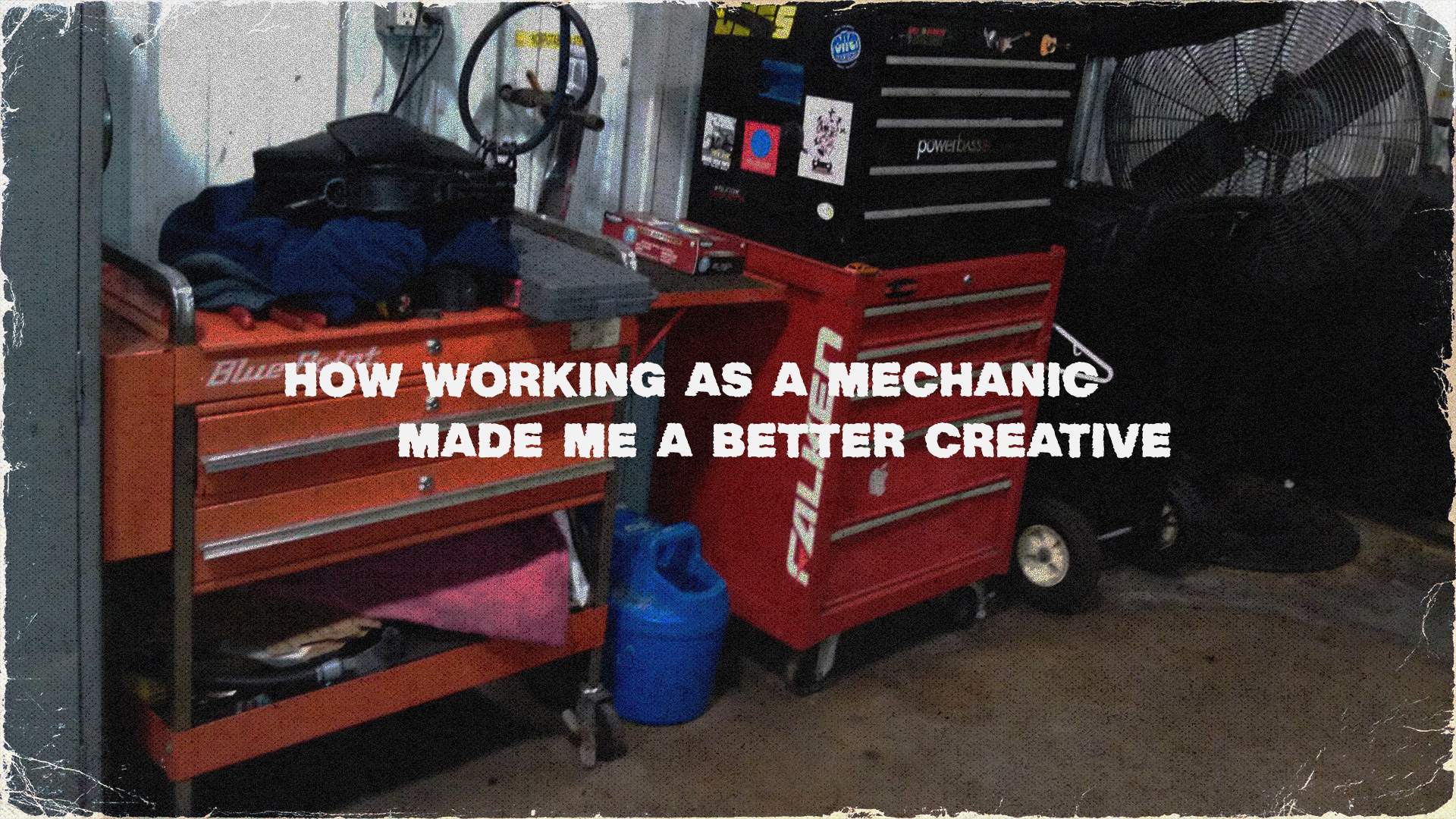
For the majority of my post-high school life, I worked as a full-time mechanic. What started as a hobby eventually tuned into a side hustle and grew from there. You might wonder how a greasy, blue-collar job like a mechanic made me a better creative, but the truth is, the shop was my greatest classroom.
It taught me three things that every freelancer needs: Efficiency, Improvisation, and Honesty.
The “Flat Rate” Mindset
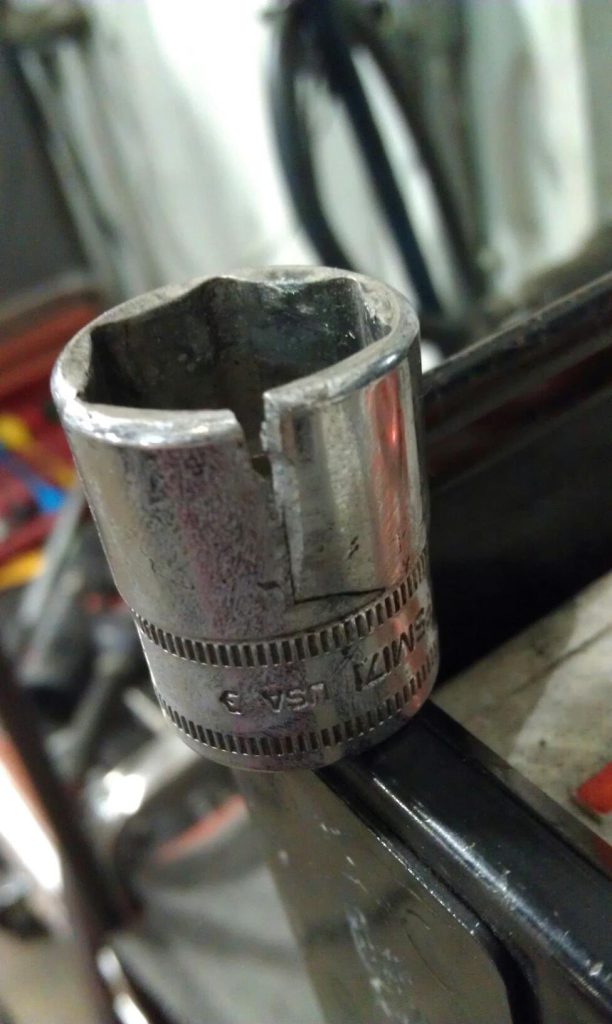
Most people don’t realize how mechanics actually get paid. We don’t usually clock in for an hourly wage; we work on Flat Rate.
Think of it like a “per-project” fee. Every repair has a “book time”—an average time the job should take—determined by the manufacturer. If the book says a water pump takes 3 hours, the customer is billed for 3 hours.
- The Win: If I’m a pro and finish in 2 hours, I still get paid for 3.
- The Loss: If the bolts are rusted and it takes me 5 hours, I still only get paid for 3.
If you’re a freelance creative, you understand this struggle perfectly. This system forced me to master time management. I learned to organize my day based on parts delivery, drying times for sealer, and which jobs I could “beat the book” on. You aren’t paying for a mechanic’s time; you’re paying for their expertise and the completion of the task.
Taking the Mundane Projects
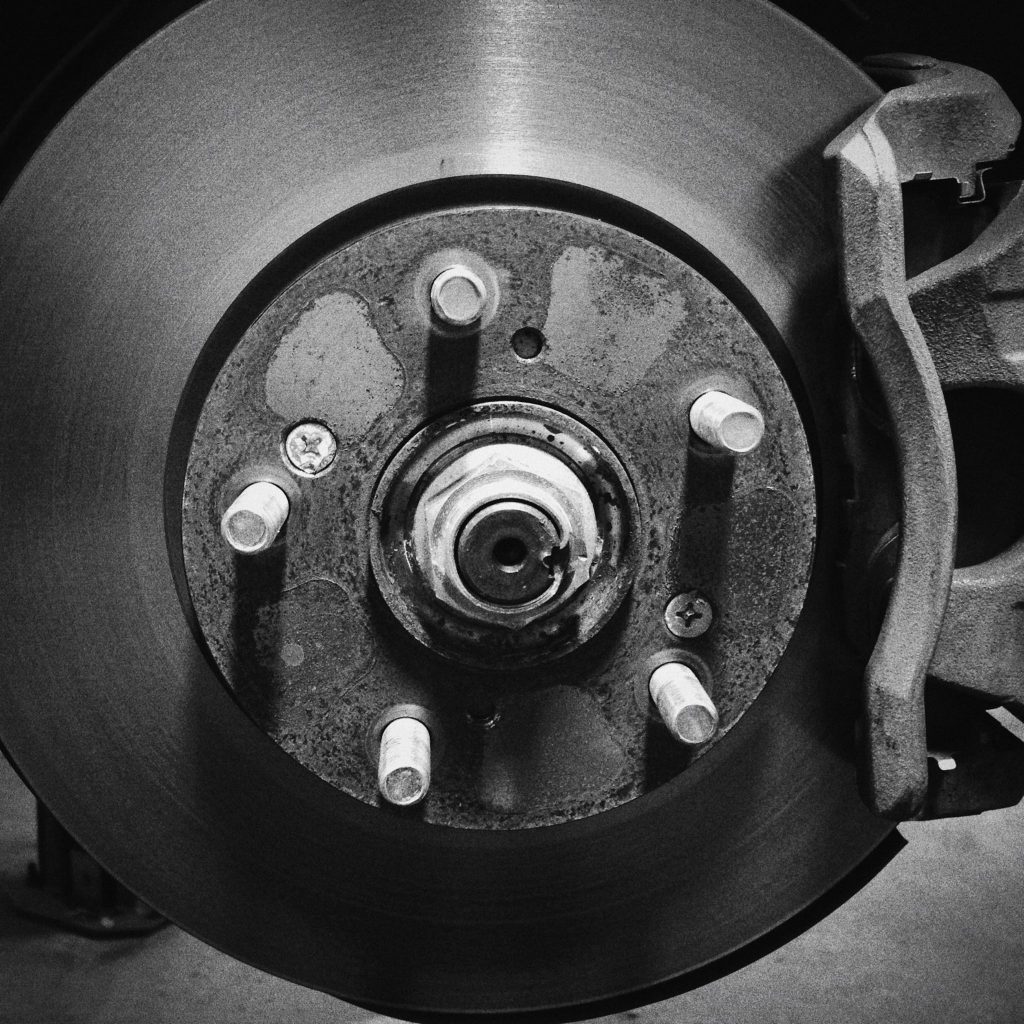
I’ve had the chance to work on race cars, weld custom parts, and drive cars I’ll never be able to afford. But I’ve also had weeks that were just… boring. Ten oil changes in a row. Brake pads all day. Days spent driving a mundane sedan listening for a “phantom noise” a customer claimed happened all the time.
In the creative world, you sometimes have to take the less-than-glamorous projects to pay the bills. That’s okay. Make your money, do your time, and eventually, those dream projects will show up.
The Art of Improvising
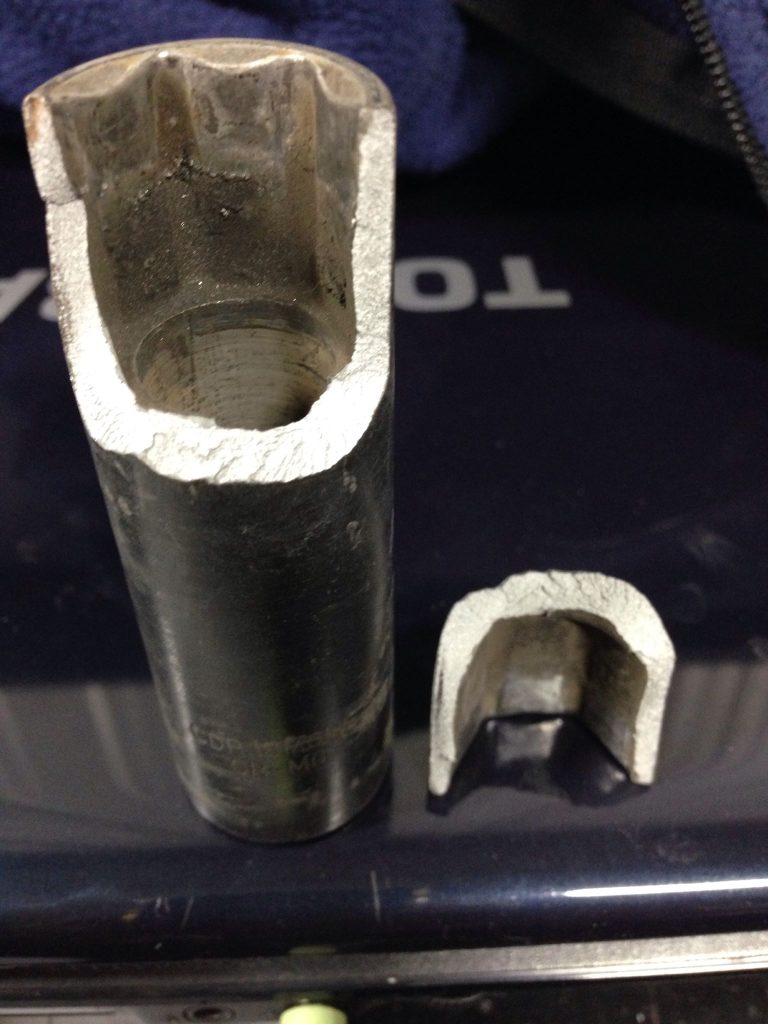
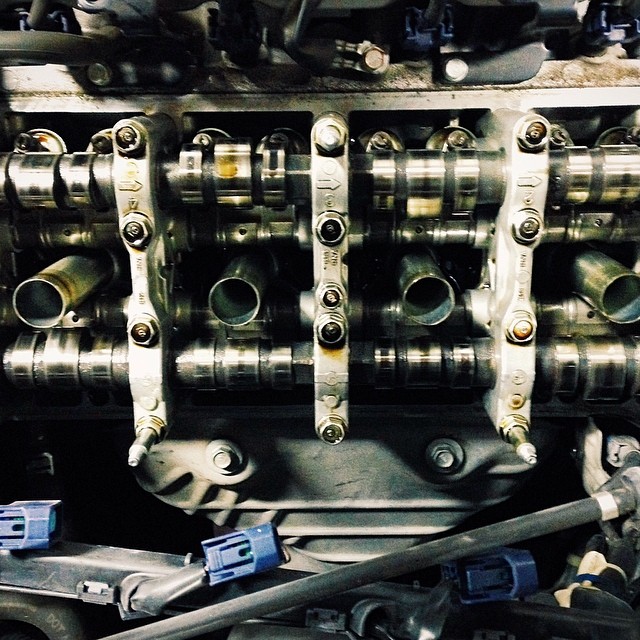
In the shop, nothing ever comes apart like it should. Parts are rusted, bolts break, and new parts fail right out of the box. Every freelancer has had a project where a “simple” revision turned into a nightmare—the digital version of a snapped manifold bolt.
Under flat rate, you eat the cost of those complications. This taught me triage and foresight. I learned to spot “rusty” clients or projects before I signed the contract.
And when things went wrong, I improvised. I still have a collection of makeshift tools in my garage—wrenches ground down to fit into tight spaces or screwdrivers bent into weird shapes. When a customer needs their car back, giving up isn’t an option. You rely on your past experiences to solve the brand-new problem in front of you.
Your gear will fail. Your computer will brick. Cameras will die. Do you give up? No. You pivot, you improvise, and you get the job done. Plan for the worst and expect the best.
Honesty in Customer Service
The stereotype for mechanics is that they’re just one step above a used car salesman. Do I really need that air filter? What is “blinker fluid”? (That last one is a joke, but you get the point.)
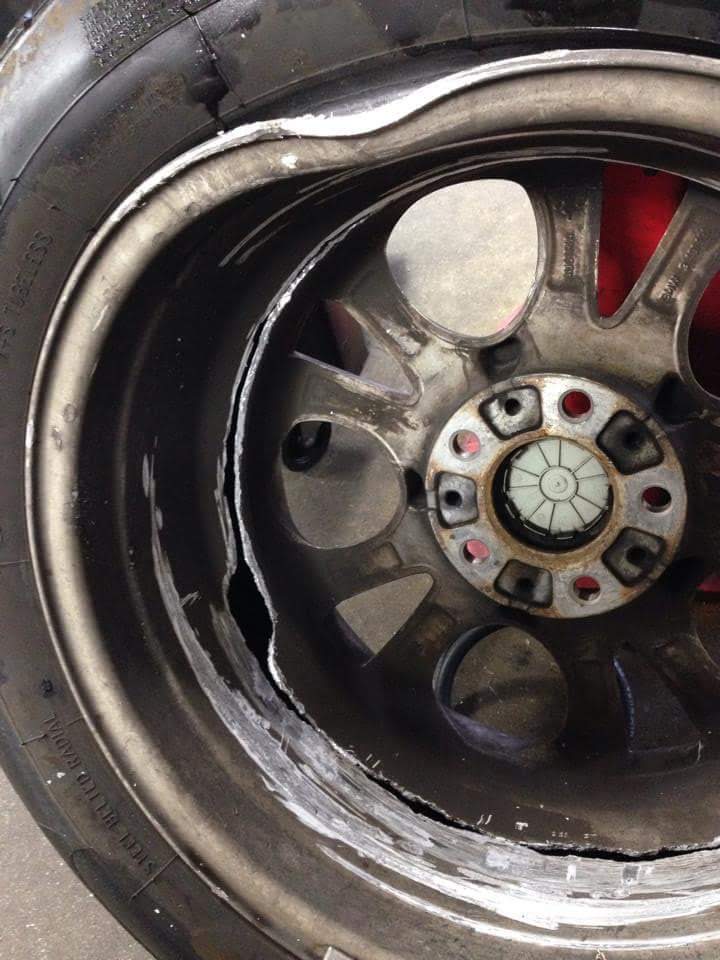
A seasoned mechanic once taught me: Never try to sell a customer a repair unless you can actually show it to them. I didn’t just tell a customer they needed a filter; I pulled it out and showed them the dirt. I brought them back into the shop to look at their tires. I built trust through transparency. Eventually, I had repeat customers who would approve repairs without question because I’d proved myself.
I also learned how to talk to customers when things went wrong. If I accidentally scraped a car or cracked a windshield (yes, I’ve done both), I didn’t hide it. I admitted the mistake early and presented the solution immediately.
Good customer service is vital to a creative business. Be upfront. Under-promise and over-deliver. I’ve actually won work from clients who were dissatisfied with “high-level” designers simply because those designers didn’t communicate well.
The “High” of the Solved Problem
There were many days I wanted to roll my toolbox out the door and quit. I’ve got dents in my box and scars on my knuckles from times a car got the best of me.
But when that last bolt goes in and the problem is solved? Everything bad is suddenly forgotten. It’s a high.
It’s the same feeling you get when you nail a branding project or a client is left speechless by your photography. That sense of accomplishment is what keeps you going through the 100 other projects that make you want to pull your hair out.
The shop taught me that my greatest tool isn’t a wrench or a stylus—it’s the ability to see a problem and refuse to let it beat me. That is how being a mechanic made me a better creative
I’m planning to share more stories like this—the kind that look at the intersection of blue-collar grit and creative flow. If you enjoyed this look behind the scenes, I’d love to have you along for the ride.
You can sign up for my newsletter below. No high-pressure sales pitches or “hustle culture” nonsense—just honest stories about making things, fixing things, and trying not to break too many bolts along the way.